801-495-0908
 ⇅
⇅

 Cart
Cart Wishlist
 Large Spool - #2600 Dove Grey
 Large Spool - #2692 Black
 Large Spool - #2021 Natural White
 Large Spool - #2024 Bright White
 Small Spool - #2600 Dove Grey
 Small Spool - #2692 Black
 Small Spool - #2021 Natural White
 Small Spool - #2024 Bright White
 Large Spool - #2600 Dove Grey
 Large Spool - #2692 Black
 Large Spool - #2021 Natural White
 Large Spool - #2024 Bright White
 Small Spool - #2600 Dove Grey
 Small Spool - #2692 Black
 Small Spool - #2021 Natural White
 Small Spool - #2024 Bright White
 Large Spool - #2600 Dove Grey
 Large Spool - #2692 Black
 Large Spool - #2021 Natural White
 Large Spool - #2024 Bright White
 Small Spool - #2600 Dove Grey
 Small Spool - #2692 Black
 Small Spool - #2021 Natural White
 Small Spool - #2024 Bright White
Sale On Cross Stitch Patterns Page 59
Cross stitch pattern from Cute Embroidery By Kate featuring a postage stamp with a Halloween spider, bat, witches hat and star!
Model stitched on 14 Ct. Aida in the color of your choice with DMC floss. Stitch Count: 48 x 56. Finished size: 3.43" x 4.00". Cross stitch pattern from Cute Embroidery By Kate featuring a plaid Christmas mitten!
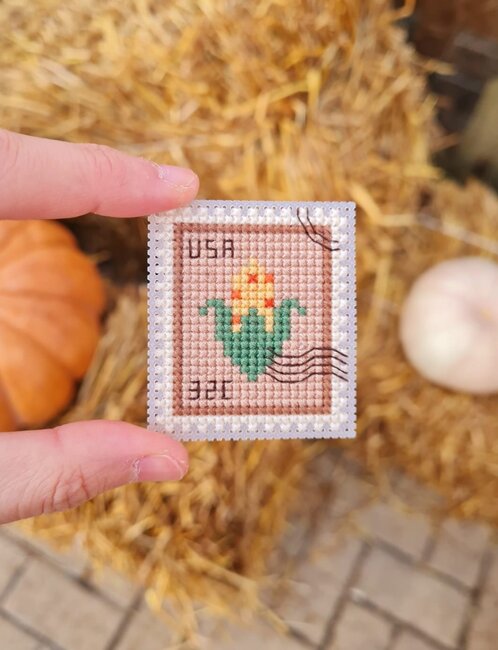
Model stitched on 14 Ct. Aida in the color of your choice with DMC floss. Stitch Count: 27 x 34. Finished size: 1.93" x 2.43". Cross stitch pattern from Cute Embroidery By Kate featuring a postage stamp with a Thanksgiving corn on it!
Model stitched on 14 Ct. Aida in the color of your choice with DMC floss. Stitch Count: 23 x 27. Finished size: 1.64" x 1.93". Cross stitch pattern from Cute Embroidery By Kate featuring a postage stamp with a Thanksgiving pilgrims hat on it!
Model stitched on 14 Ct. Aida in the color of your choice with DMC floss. Stitch Count: 23 x 27. Finished size: 1.64" x 1.93". Cross stitch pattern from Cute Embroidery By Kate featuring a postage stamp with a Thanksgiving pumpkin on it!
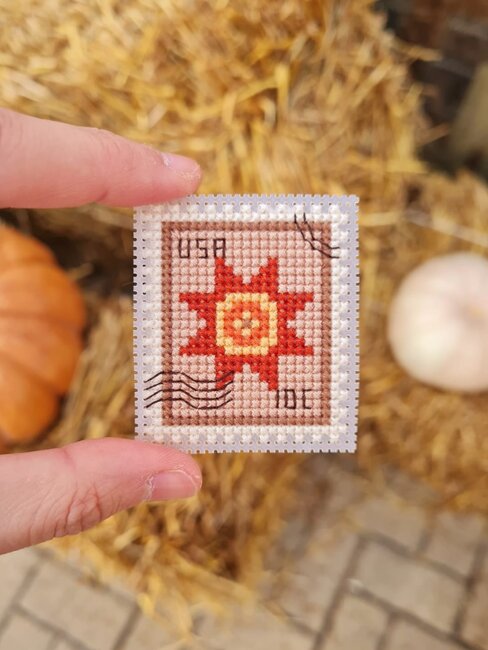
Model stitched on 14 Ct. Aida in the color of your choice with DMC floss. Stitch Count: 23 x 27. Finished size: 1.64" x 1.93". Cross stitch pattern from Cute Embroidery By Kate featuring a postage stamp with a Thanksgiving star on it!
Model stitched on 14 Ct. Aida in the color of your choice with DMC floss. Stitch Count: 23 x 27. Finished size: 1.64" x 1.93". Cross stitch pattern from Cute Embroidery By Kate featuring a postage stamp with a Thanksgiving pumpkin, corn, pilgrims hat and star!
Model stitched on 14 Ct. Aida in the color of your choice with DMC floss. Stitch Count: 48 x 56. Finished size: 3.43" x 4.00". Cross stitch pattern from Cute Embroidery By Kate featuring a plaid Christmas stocking with hearts!
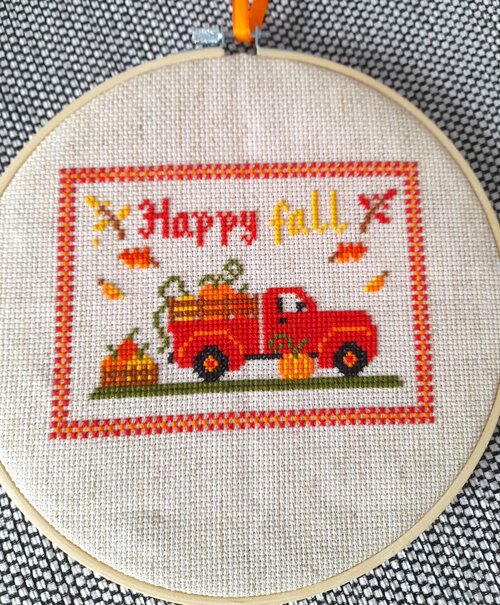
Model stitched on 14 Ct. Aida in the color of your choice with DMC floss. Stitch Count: 32 x 34. Finished size: 2.29" x 2.43". Cross stitch pattern from Cute Embroidery By Kate featuring a truck hauling pumpkins with the phrase "Happy Fall"!
Model stitched on 14 Ct. Mint Green Aida with DMC floss. Stitch Count: 75 x 53. Finished size: 5.36" x 3.79". Cross stitch pattern from Cute Embroidery By Kate featuring a hoop with the word Noel in a heart!
Model stitched on 14 Ct. Aida in the color of your choice with DMC floss. Stitch Count: 48 x 50. Finished size: 3.43" x 3.57". Cross stitch pattern from Cute Embroidery By Kate featuring a hoop with the word snow in a heart!
Model stitched on 14 Ct. Aida in the color of your choice with DMC floss. Stitch Count: 48 x 50. Finished size: 3.43" x 3.57". Cross stitch pattern from Cute Embroidery By Kate featuring a postage stamp with Christmas gifts on it!
Model stitched on 14 Ct. Aida in the color of your choice with DMC floss. Stitch Count: 23 x 27. Finished size: 1.64" x 1.93". Cross stitch pattern from Cute Embroidery By Kate featuring a postage stamp with the north pole sign on it!
Model stitched on 14 Ct. Aida in the color of your choice with DMC floss. Stitch Count: 23 x 27. Finished size: 1.64" x 1.93". Cross stitch pattern from Cute Embroidery By Kate featuring a postage stamp with rudolph the red nosed reindeer on it!
Model stitched on 14 Ct. Aida in the color of your choice with DMC floss. Stitch Count: 23 x 27. Finished size: 1.64" x 1.93". Cross stitch pattern from Cute Embroidery By Kate featuring a postage stamp with a Christmas cookie on it!
Model stitched on 14 Ct. Aida in the color of your choice with DMC floss. Stitch Count: 23 x 27. Finished size: 1.64" x 1.93". Cross stitch pattern from Cute Embroidery By Kate featuring a postage stamp with a Christmas mug on it!
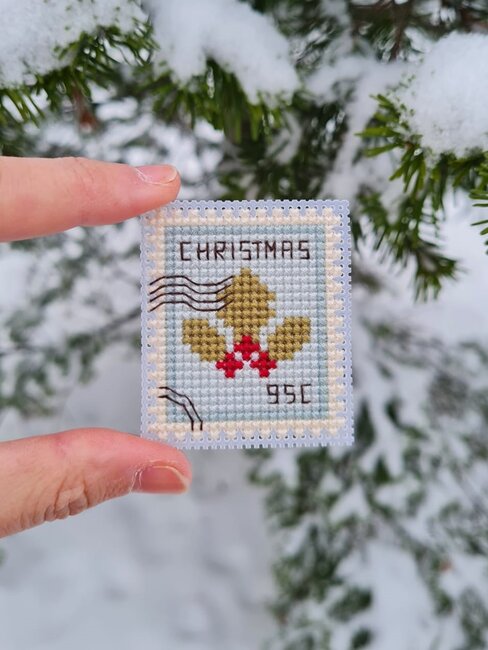
Model stitched on 14 Ct. Aida in the color of your choice with DMC floss. Stitch Count: 23 x 27. Finished size: 1.64" x 1.93". Cross stitch pattern from Cute Embroidery By Kate featuring a postage stamp with a Christmas Holly on it!
Model stitched on 14 Ct. Aida in the color of your choice with DMC floss. Stitch Count: 23 x 27. Finished size: 1.64" x 1.93". Cross stitch pattern from Cute Embroidery By Kate featuring a postage stamp with a Christmas gingerbread cookie on it!
Model stitched on 14 Ct. Aida in the color of your choice with DMC floss. Stitch Count: 23 x 27. Finished size: 1.64" x 1.93". Cross stitch pattern from Cute Embroidery By Kate featuring a gingerbread barn on a farm at Christmas time!
Model stitched on 14 Ct. Aida of your choice with DMC floss. Stitch Count: 61 x 55. Finished size: 4.36" x 3.93". Cross stitch pattern from Cute Embroidery By Kate featuring a postage stamp with a Christmas gingerbread star on it!
Model stitched on 14 Ct. Aida in the color of your choice with DMC floss. Stitch Count: 23 x 27. Finished size: 1.64" x 1.93". Cross stitch pattern from Cute Embroidery By Kate featuring a postage stamp with a Christmas gingerbread tree on it!
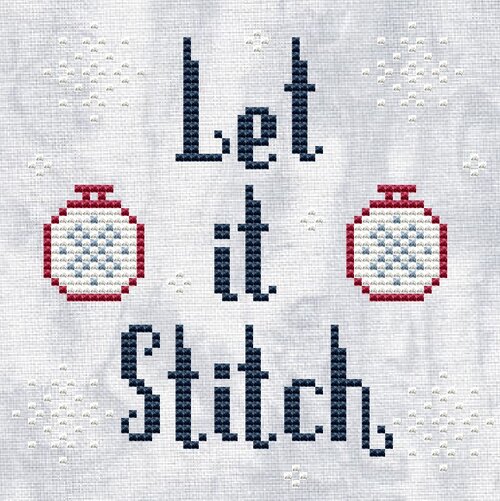
Model stitched on 14 Ct. Aida in the color of your choice with DMC floss. Stitch Count: 23 x 27. Finished size: 1.64" x 1.93". Cross stitch pattern from Cute Embroidery By Kate featuring cookies with the phrase "Cookies for Santa"!
Model stitched on 14 Ct. Aida of your choice with DMC and Weeks Dye Works floss. Stitch Count: 43 x 59. Finished size: 3.07" x 4.21". Cross stitch pattern from Cute Embroidery By Kate featuring the phrase "Let it stitch"!
Model stitched on 14 Ct. Aida of your choice with DMC floss. Stitch Count: 62 x 60. Finished size: 4.43" x 4.29". Cross stitch pattern from Cute Embroidery By Kate featuring Santa Claus's workshop!
Model stitched on 14 Ct. Aida of your choice with DMC, Classic Colorworks, and Weeks Dye Works floss. Stitch Count: 63 x 48. Finished size: 4.50" x 3.43". Cross stitch pattern from Cute Embroidery By Kate featuring a postage stamp with a Valentines cupcake on it!
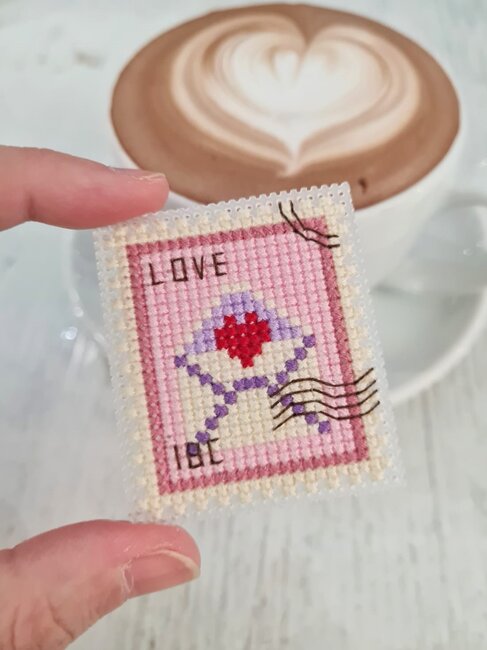
Model stitched on 14 Ct. Aida in the color of your choice with DMC floss. Stitch Count: 23 x 27. Finished size: 1.64" x 1.93". Cross stitch pattern from Cute Embroidery By Kate featuring a postage stamp with a Valentines heart on it!
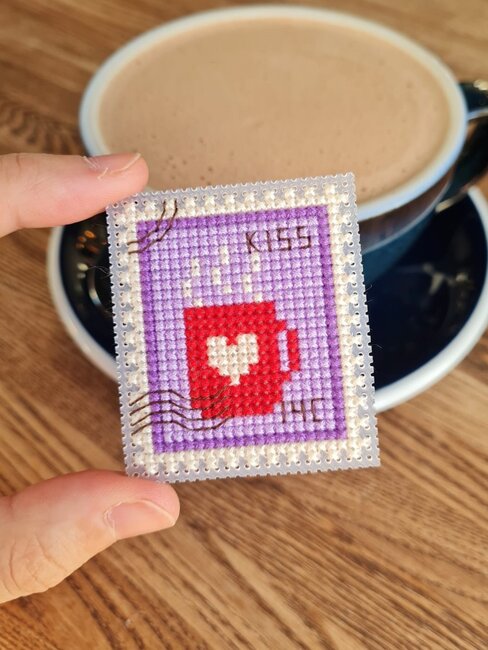
Model stitched on 14 Ct. Aida in the color of your choice with DMC floss. Stitch Count: 23 x 27. Finished size: 1.64" x 1.93". Cross stitch pattern from Cute Embroidery By Kate featuring a postage stamp with a Valentines letter on it!
Model stitched on 14 Ct. Aida in the color of your choice with DMC floss. Stitch Count: 23 x 27. Finished size: 1.64" x 1.93". Cross stitch pattern from Cute Embroidery By Kate featuring a postage stamp with a Valentines mug on it!
Model stitched on 14 Ct. Aida in the color of your choice with DMC floss. Stitch Count: 23 x 27. Finished size: 1.64" x 1.93". Cross stitch pattern from Cute Embroidery By Kate featuring postage stamps with Valentines letter, mug, heart, and cupcakes on it!
Model stitched on 14 Ct. Aida in the color of your choice with DMC floss. Stitch Count: 48 x 56. Finished size: 3.43" x 4.00". Cross stitch pattern from Cute Embroidery By Kate featuring a barn on a farm at spring time!
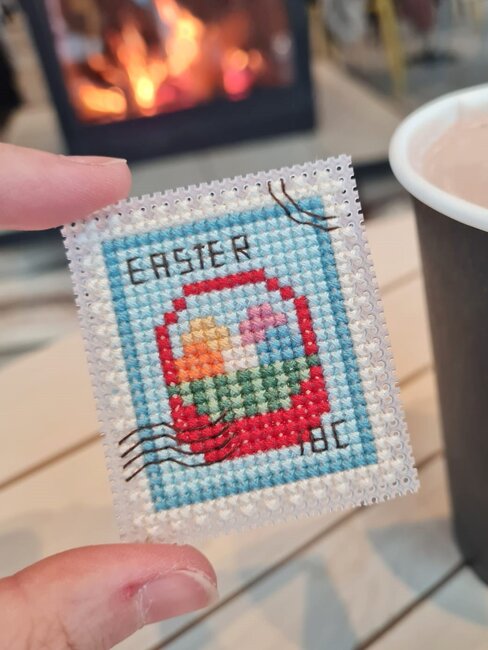
Model stitched on 14 Ct. Aida of your choice with DMC floss. Stitch Count: 61 x 55. Finished size: 4.36" x 3.93". Cross stitch pattern from Cute Embroidery By Kate featuring a valentines design with the phrase "Hugs and kisses"!
Model stitched on 14 Ct. Aida of your choice with Weeks Dye Works floss. Stitch Count: 75 x 64. Finished size: 5.36" x 4.57". Cross stitch pattern from Cute Embroidery By Kate featuring a postage stamp with a Easter basket on it!
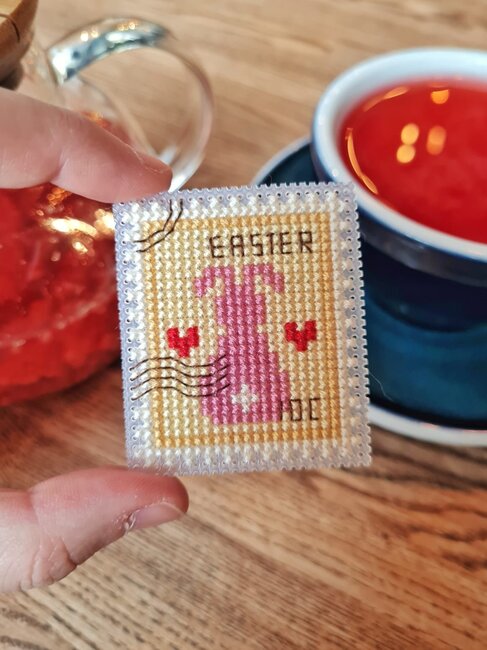
Model stitched on 14 Ct. Aida in the color of your choice with DMC floss. Stitch Count: 23 x 27. Finished size: 1.64" x 1.93". Cross stitch pattern from Cute Embroidery By Kate featuring a postage stamp with a Easter carrot on it!
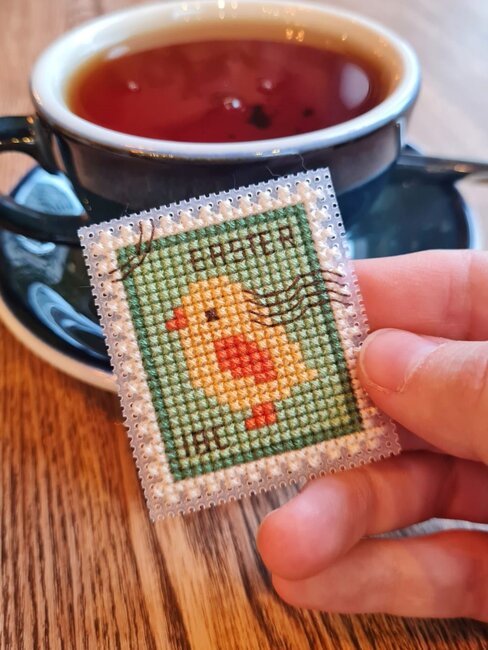
Model stitched on 14 Ct. Aida in the color of your choice with DMC floss. Stitch Count: 23 x 27. Finished size: 1.64" x 1.93". Cross stitch pattern from Cute Embroidery By Kate featuring a postage stamp with a Easter chick on it!
Model stitched on 14 Ct. Aida in the color of your choice with DMC floss. Stitch Count: 23 x 27. Finished size: 1.64" x 1.93". Cross stitch pattern from Cute Embroidery By Kate featuring a postage stamp with a Easter cupcake on it!
Model stitched on 14 Ct. Aida in the color of your choice with DMC floss. Stitch Count: 23 x 27. Finished size: 1.64" x 1.93". Cross stitch pattern from Cute Embroidery By Kate featuring a postage stamp with a Easter egg on a stand on it!
Model stitched on 14 Ct. Aida in the color of your choice with DMC floss. Stitch Count: 23 x 27. Finished size: 1.64" x 1.93". Cross stitch pattern from Cute Embroidery By Kate featuring a postage stamp with a Easter egg on it!
Model stitched on 14 Ct. Aida in the color of your choice with DMC floss. Stitch Count: 23 x 27. Finished size: 1.64" x 1.93".
$4.50 Sale $3.99
|

By Stitchers, For Stitchers™