801-495-0908
 ⇅
⇅

 Cart
Cart Wishlist
 Large Spool - #2600 Dove Grey
 Large Spool - #2692 Black
 Large Spool - #2021 Natural White
 Large Spool - #2024 Bright White
 Small Spool - #2600 Dove Grey
 Small Spool - #2692 Black
 Small Spool - #2021 Natural White
 Small Spool - #2024 Bright White
 Large Spool - #2600 Dove Grey
 Large Spool - #2692 Black
 Large Spool - #2021 Natural White
 Large Spool - #2024 Bright White
 Small Spool - #2600 Dove Grey
 Small Spool - #2692 Black
 Small Spool - #2021 Natural White
 Small Spool - #2024 Bright White
 Large Spool - #2600 Dove Grey
 Large Spool - #2692 Black
 Large Spool - #2021 Natural White
 Large Spool - #2024 Bright White
 Small Spool - #2600 Dove Grey
 Small Spool - #2692 Black
 Small Spool - #2021 Natural White
 Small Spool - #2024 Bright White
Sale On Cross Stitch Page 90
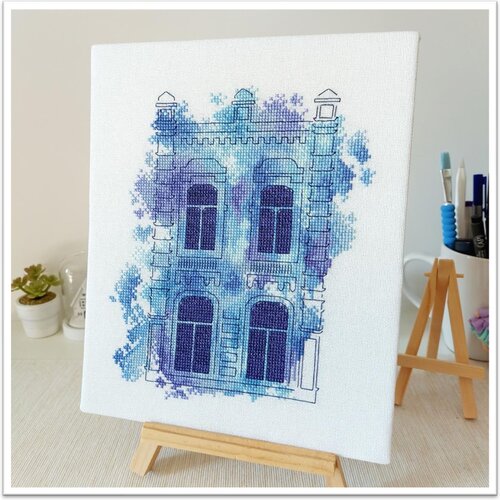
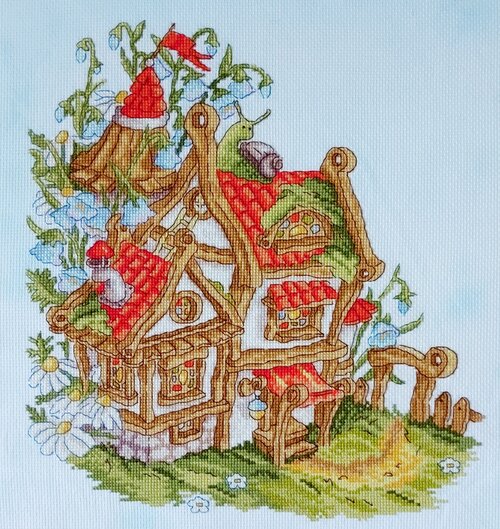
Model stitched on fabric of your choice with DMC floss. Stitch Count: 69x138. Designed by Anna Gutova. Model stitched on fabric of your choice with DMC floss. Stitch Count: 200x155. Designed by Anna Gutova based on the artwork of Olga Orlova Model stitched on fabric of your choice with DMC floss. Stitch Count: 121x165. Designed by Anna Gutova based on the artwork of Dasha Ponedelnikova Model stitched on fabric of your choice with DMC floss. Stitch Count: 121x165. Designed by Anna Gutova based on the artwork of Dasha Ponedelnikova Model stitched on fabric of your choice with DMC floss. Stitch Count: 98x76. Designed by Anna Gutova Model stitched over two on 16 count Navy blue aida with DMC floss. Stitch Count: 141x139. Designed by Anna Gutova Model stitched over two on 28 count white evenweave with DMC floss. Stitch Count: 136x111. Designed by Anna Gutova Model stitched on 14 count hand dyed aida with DMC floss. Stitch Count: 100x137. Designed by Anna Gutova from the artwork of Mila Goncharova Model stitched on 14 count plastic canvas with DMC floss. Stitch Count: 25x62. Designed by Anna Gutova Model stitched over 2 on 28 count white evenweave with DMC floss. Stitch Count: 81x52. Designed by Anna Gutova from the artwork of @daria_honey (IG) Model stitched on 16 count navy blue aida with DMC floss. Stitch Count: 142x84. Designed by Anna Gutova Model stitched over two on 28 count white evenweave with DMC floss. Stitch Count: 93x111. Designed by Anna Gutova Model stitched over two on 32 count Zweigart murano opalescent evenweave with DMC floss. Stitch count 64w x 63h. Designed by Anna Gutova Model stitched over two on 32 count Zweigart murano opalescent evenweave with DMC floss. Stitch count 92w x 127h. Designed by Mila Goncharova. Stitch count 143w x 197h. Designed by Anna Gutova inspired by the textile of William Morris. Stitch count 143w x 197h. Designed by Anna Gutova. Stitch count 108w x 141h. Designed by Anna Gutova. Instructions for all three color options are included. Stitch count 153w x 169h. Designed by Anna Gutova from the artwork of Marta May. Model stitched over 2 on 28 count ivory evenweave. Stitch count of each design is approximately 70w x 70h. If stitching all four designs together, stitch count is 152w x 143h. Designed by Anna Gutova. Cross stitch pattern from Artmishka featuring a bear holding a heart shaped balloons with the words "Love you" above it!
Model stitched on 14 count Aida on the color of your choice using DMC floss. Stitch count of each design is approximately 49W x 115H. Approx. size is 9 x 21. Designed by Anna Gutova. Cross stitch pattern from Artmishka featuring lovely raspberries.
Model stitched on 14ct or 16ct fabric of your choice using DMC floss. Stitch count 75 x 49. Cross stitch pattern from Artmishka featuring a teapot surrounded by flowers!
Model stitched on 14ct or 16ct fabric of your choice using DMC floss. Stitch count 142 x 122. Cross stitch pattern from Artmishka featuring a snowy bear in the mountains looking down at a town!
Model stitched on 14ct or 16ct fabric of your choice using DMC floss. Stitch count 135 x 178. Cross stitch pattern from Artmishka featuring an artful blueberry!
Model stitched on 14ct or 16ct fabric of your choice using DMC floss. Stitch count 129W x 169H. Cross stitch pattern from Artmishka featuring an artful blueberry with a ladybug!
Model stitched on 14ct or 16ct fabric of your choice using DMC floss. Stitch count 129W x 169H. Cross stitch pattern from Artmishka featuring an artful blueberry!
Model stitched on 14ct or 16ct fabric of your choice using DMC floss. Stitch count 209W x 209H. Cross stitch pattern from Artmishka featuring an artful blueberry with a ladybug!
Model stitched on 14ct or 16ct fabric of your choice using DMC floss. Stitch count 209W x 209H. Cross stitch pattern from Artmishka featuring a young girl holding her favorite toy!
Model stitched on 14ct or 16ct fabric of your choice using DMC floss. Stitch count 98W x 111H. Cross stitch pattern from Artmishka featuring a bookmark with Alice from Alice in Wonderland!
Model stitched on 14 or 16 count Aida on the color of your choice using DMC floss. Stitch count is approximately 30W x 80H. Designed by Anna Gutova. Cross stitch pattern from Artmishka featuring a bookmark with a girl who has blue eyes!
Model stitched on 14 or 16 count Aida on the color of your choice using DMC floss. Stitch count is approximately 30W x 80H. Designed by Anna Gutova. Cross stitch pattern from Artmishka featuring a bookmark with a girl holding a bouquet of flowers!
Model stitched on 14 or 16 count Aida on the color of your choice using DMC floss. Stitch count is approximately 30W x 80H. Designed by Anna Gutova. Cross stitch pattern from Artmishka featuring a colorful Roman cafe scene!
Model stitched on 14 or 16 count Aida on the color of your choice using DMC floss. Stitch count is approximately 66W x 68H. Designed by Anna Gutova. Cross stitch pattern from Artmishka featuring a colorful Roman door!
Model stitched on 14 or 16 count Aida on the color of your choice using DMC floss. Stitch count is approximately 70W x 68H. Designed by Anna Gutova. Cross stitch pattern from Artmishka featuring a colorful Roman stairs!
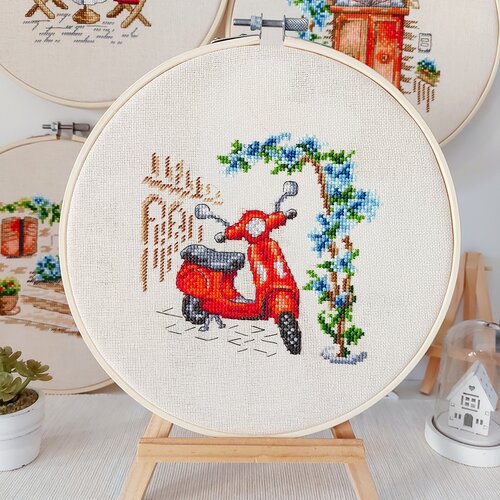
Model stitched on 14 or 16 count Aida on the color of your choice using DMC floss. Stitch count is approximately 70W x 66H. Designed by Anna Gutova. Cross stitch pattern from Artmishka featuring a colorful Vespa!
Model stitched on 14 or 16 count Aida on the color of your choice using DMC floss. Stitch count is approximately 71W x 68H. Designed by Anna Gutova. Cross stitch pattern from Artmishka featuring an assortment of whimsical feathers!
Model stitched on 16ct Navy Blue Aida fabric but can be stitched on the aida of your choice using DMC floss. Stitch count 173W x 174H. Cross stitch pattern from Artmishka featuring a very lucky ladybug on a leaf!
Model stitched on Murano evenweave Blue splash from Zweigart 32 count using DMC floss. Stitch count is approximately 48W x 47H. Designed by Anna Gutova. Cross stitch pattern from Artmishka featuring four bookmarks to take to school! "Enjoy it all", "Okay let's do this", "It is ok to take a break", "Write your own story".
Model is stitched on 14 count clear plastic canvas using DMC floss. Stitch count is approximately 30w x 80h. Designed by Anna Gutova. Cross stitch pattern from Artmishka featuring a rabbit holding on to three colorful balloons in the sky!
Model is stitched on either 14 or 16 ct aida of your choice using DMC floss. Stitch count is approximately 123W x 140H stitches. Designed by Anna Gutova. Cross stitch pattern from Artmishka featuring a circle filled with all things spring!
Pattern is stitched on the 14 or 16 ct fabric of your choice using DMC floss. Stitch count is 170W x 169H. Designed by Anna Gutova. Cross stitch pattern from Art Miskha featuring beautiful roses!
Model is stitched on either 14 or 16 ct aida of your choice using DMC floss. Stitch count is approximately 121W x 181H stitches. Designed by Anna Gutova. Cross stitch pattern from Artmishka featuring a colorful quilted design!
Model is stitched on either 14 ct White Aida using DMC floss. Stitch count is approximately 210W x 210H stitches. Designed by Anna Gutova. Cross stitch pattern from Artmishka featuring an ornament with a Christmas tree on it!
Model is stitched on either 32 count white evenweave using DMC floss. Stitch count is approximately 58w x 58h. Designed by Anna Gutova. Cross stitch pattern from Artmishka featuring a kitten hiding behind pumpkins on Halloween!
Model is stitched on the fabric of your choice using DMC floss. Stitch count is approximately 91w x 49h. Designed by Anna Gutova. Cross stitch pattern from Artmishka featuring a home by the ocean!
Model is stitched on the Aida of your choice using DMC floss. Stitch count is approximately 70w x 70h. Designed by Anna Gutova. Cross stitch pattern from Artmishka featuring a young witch reading a book surrounded by pumpkins!
Model is stitched on either 14 ct or 16 ct Aida using DMC floss. Stitch count is approximately 126W x 166H stitches. Designed by Anna Gutova. Cross stitch pattern from Artmishka featuring the phrase "Home Sweet Home".
Model stitched on 28 count linen of your choice, two strands over 2 threads of fabric, using DMC floss. Stitch count is 172w x 173h. Designed by Anna Gutova. Go to page 86 Go to page 87 Go to page 88 Go to page 89 Currently on page 90 Go to page 91 Go to page 92 Go to page 93 Go to page 94 Go to page 95 |