801-495-0908
 ⇅
⇅

 Cart
Cart Wishlist
 Large Spool - #2600 Dove Grey
 Large Spool - #2692 Black
 Large Spool - #2021 Natural White
 Large Spool - #2024 Bright White
 Small Spool - #2600 Dove Grey
 Small Spool - #2692 Black
 Small Spool - #2021 Natural White
 Small Spool - #2024 Bright White
 Large Spool - #2600 Dove Grey
 Large Spool - #2692 Black
 Large Spool - #2021 Natural White
 Large Spool - #2024 Bright White
 Small Spool - #2600 Dove Grey
 Small Spool - #2692 Black
 Small Spool - #2021 Natural White
 Small Spool - #2024 Bright White
 Large Spool - #2600 Dove Grey
 Large Spool - #2692 Black
 Large Spool - #2021 Natural White
 Large Spool - #2024 Bright White
 Small Spool - #2600 Dove Grey
 Small Spool - #2692 Black
 Small Spool - #2021 Natural White
 Small Spool - #2024 Bright White
Sale On Cross Stitch Page 94
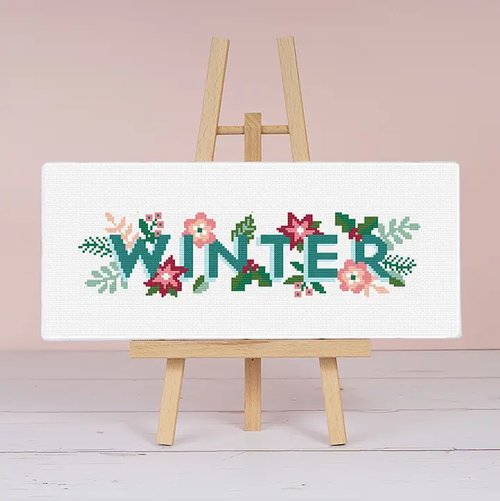
Snow happy to see you! Inspired by beautiful winter flora and fauna, the finished Winter Life kit brings a handmade touch to your home with a happy cross stitch work of art that's totally unique to you.
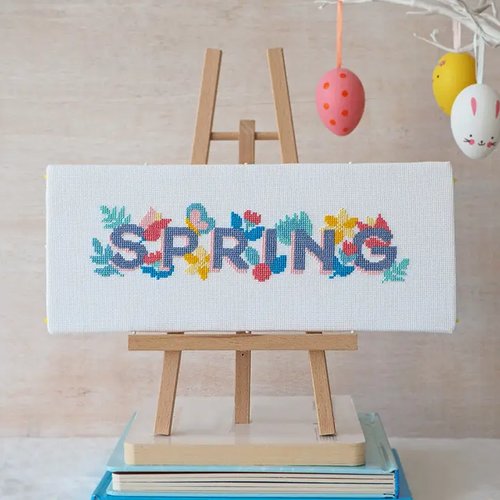
Finished size: 10.9" x 2.7" Stitch count: 152 x 38 The... Read more about Winter Life - Cross Stitch Kit Spring into action! Inspired by beautiful, bright spring florals, the finished kit brings a handmade touch to your home with a happy cross stitch work of art that's totally unique to you.
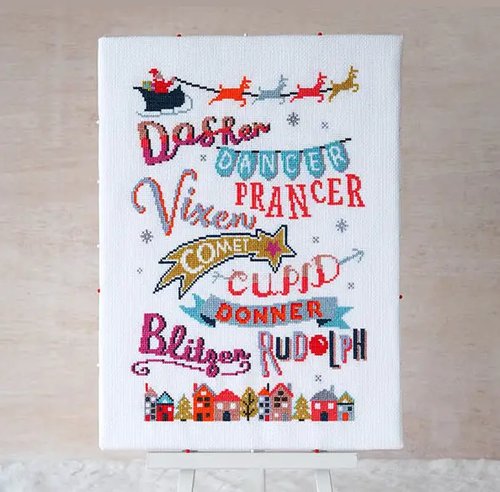
Finished size: 11" x 2.7" Stitch count: 154 x 38 The kit contains: ... Read more about Spring Life - Cross Stitch Kit It's beginning to look a lot like Christmas! Inspired by a Christmas Eve delivery, the finished kit brings a handmade touch to your home with a festive cross stitch work of art that's totally unique to you.
Finished size: 9" x 12.5" Stitch count: 129 x 177 ... Read more about Dash Away - Christmas Cross Stitch Kit Stay positive with this modern typography cross stitch kit or pattern!
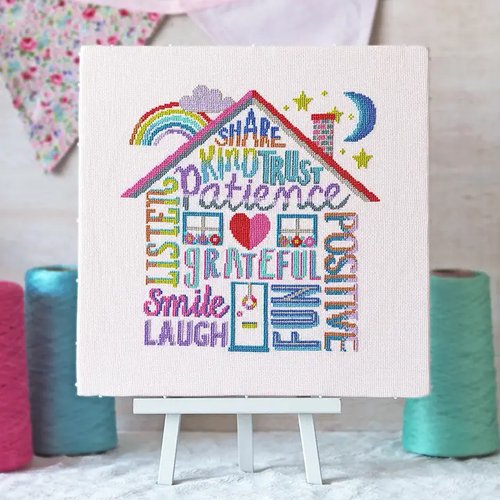
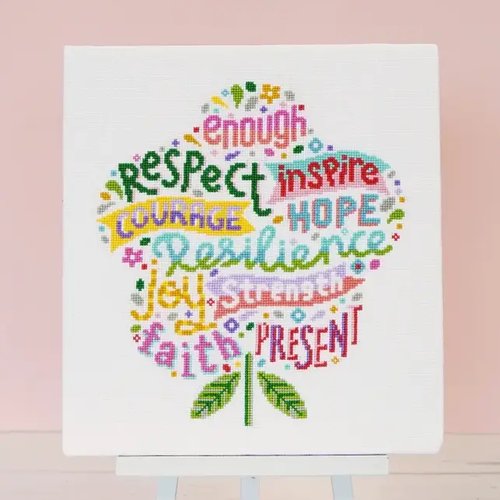
Finished size: 10.1" x 10.4" Stitch count: 143 x 145 The kit contains: 1. Full, easy-to-follow instructions 2. Colour professionally printed pattern 3. 1 pre-sorted card thread... Read more about Positivity Rules - Cross Stitch Kit Lift your spirits with this positive typography cross stitch project!
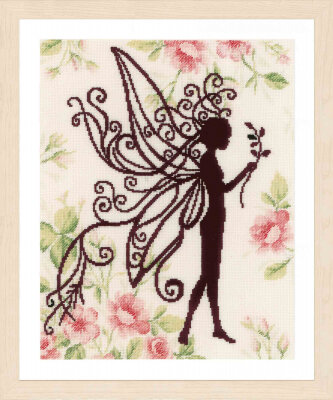
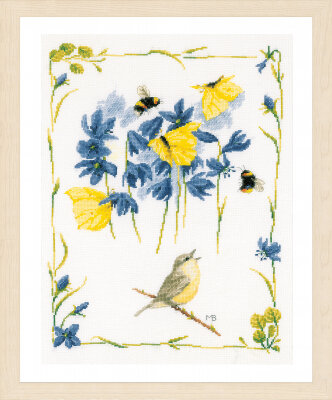
Finished size: 9" x 10.1" Stitch count: 126 x 142 The kit contains: 1. Full, easy-to-follow instructions 2. Colour professionally printed pattern 3. 1 pre-sorted card thread... Read more about Positivity Blooms - Cross Stitch Kit Kit contains pre-sewn 6 3/4" square pillow, embellishment, 14 ct aida, DMC floss, tapestry needle and color pattern. Pillow fabrics and floss may vary due to availability. Prints and fabric may vary. Kit contains pre-sewn 6 3/4" square pillow, embellishment, 14 ct aida, DMC floss, tapestry needle and color pattern. Pillow fabrics and floss may vary due to availability. Prints and fabric may vary. Kit contains pre-sewn 6 3/4" square pillow, embellishment, 14 ct aida, DMC floss, tapestry needle and color pattern. Stitch count: 45W x 46L. Pillow fabrics and floss may vary due to availability. Prints and fabric may vary. Complete kit includes 27 Ct. evenweave fabric, chart, sorted threads, needles, and instructions. Finished size: 28" x 20" Complete kit includes 16 Ct. Ivory Aida, thread, needle, chart and instructions. Finished size: 6" x 6.4" Complete kit includes pattern, 14 Ct. White Aida, floss, needle and instructions. Finished size: 12.8" x 11.6". Comes with alphabet chart. Kit includes 100% cotton pre-finished 11 Ct. Aida, floss, needle, and instructions. Finished size is 12.8" x 33.6" (32cm x 84cm) Complete kit includes 14 Ct. White Aida, thread, needle, chart and instructions. Finished size: 16" x 8.4" Complete kit includes pattern, 14 Ct. White Aida, floss, needle and instructions. Finished size: 13.2" x 12.4" The complete kit includes 14 Ct. White Aida, thread, needle, chart, and instructions. Finished size: 10.8" x 7.2". Kit includes 14 Ct. White Aida, floss, pattern, needle and instructions. Finished size is 1.6" x 4.4" Complete kit includes 14 Ct. White aida, floss, needle, chart and instructions. Finished size: 2.4" x 8" This stamped cross stitch kit features a 100% cotton, hemmed, inwoven border, table runner; 100% cotton DMC embroidery floss; needle; and instructions. Finished size is 16" x 40". This cross stitch kit contains a 100% cotton, 14 count, Zweigart Aida fabric; 100% cotton DMC embroidery floss; needle; and instructions. Finished size is 4.2" x 6". Complete kit includes pattern, 14 Ct. oatmeal Aida, thread, needle and instructions. Finished size: 2.4" x 8" each. Complete kit includes 18 Ct. White Aida, pattern, thread, needle, Cards, Envelopes, and instructions. Finished size: 4.2" x 6" Complete kit includes 14 Ct. White Aida, pattern, thread (pink and blue color schemes), needle and instructions. Finished size: 11.6" x 9.2". Complete kit includes 14 Ct. Ecru Aida, thread, pearls, needle, chart and instructions. Finished size: 8.4" x 11.2" Complete kit includes 18 Ct. White Aida, thread (pink and blue), needle, chart and instructions. Finished size: 7.2" x 6" Complete kit includes 18 Ct. White aida, pattern, thread, needle and instructions. Finished size: 4.2" x 6" each Complete kit includes 14 Ct. Black Aida, floss, needle and instructions. Finished size: 11.2" x 8.8" Complete kit includes 30 Ct. White Linen, floss, needle and instructions. Finished size: 11.6" x 11.6" Complete kit includes 30 Ct. 100% line with pre-printed background, threads, needles and instructions. Finished size: 16.4" x 10.4" Complete kit includes 27 Ct. ivory evenweave fabric, pattern, floss, needle and instructions. Finished size: 12" x 15.6" Complete kit includes 27 Ct. 100% cotton evenweave fabric, threads, needles and instructions. Finished size: 12.8" x 13.6" Complete kit includes 27 Ct. white evenweave fabric, pattern, floss, needle and instructions. Finished size: 10.4" x 21.2" Complete kit includes 27 Ct. fabric, thread, needle, chart and instructions. Finished size: 8" x 6.2" Complete kit includes 30 Ct. white evenweave fabric, pattern, floss, needle and instructions. Finished size: 12" x 19.2" Vervaco creates magnificent designs in classical and modern styles ideal for both beginners and experts alike! Many designs originate from renowned contemporary artists. This package contains 14 count 100% cotton Aida fabric, 100% cotton DMC embroidery floss, one needle, large-square charted design, front sheet and instructions.Finished Size: 14.8 x 20.4 inches. Complete kit includes pattern, 14 Ct. White Aida, floss, needle and instructions. Finished size: 11.2" x 11.2" Complete kit includes 14 Ct. White Aida, thread, needle, chart and instructions. Finished size: 11.2" x 14" (28x35cm). Complete kit includes 14 Ct. White Aida, thread, needle, chart and instructions. Finished size: 16.4" x 9.6" (41x24cm). Cross Stitch Kit Includes: 14 Ct. white Aida, thread, needles, silver metallic thread and instructions. Finished size: 9.2" x 11.6" This Vervaco kit features a growth chart with forest animals and room for personalization (alphabet chart is included). The kit includes 14 Ct. Aida, thread, needle and instructions. The finished size is 7.2" x 28" This cute little kitty is worked in shades of gray, except for his pink nose! The kit includes 18 Ct. Aida, thread, needle and instructions. The finished size is 6.4" x 5.2" The complete kit includes 30 Ct. linen, thread, needle, chart, and instructions. Finished size: 13.6" x 18" This complete kit from Lanarte features a lovely fairy silhouette surrounded by flowers. The kit includes 18 Ct. White Aida, threads, needle, chart and instructions. Finished size: 9.2" x 11.6". Kit includes 27 Ct. White evenweave fabric, floss, chart, needle and instructions. Finished size is 8.8" x 13.2" A rectangular glass vase holds a bouquet of red roses and lilacs, worked on black background. The kit includes 14 Ct. Black Aida, thread, needle and instructions. Finished size: 16" x 19.6" This Lanarte kit features a songbird surround by wildflowers. The kit includes 27 Ct. Evenweave fabric, threads, needles, and instructions. Finished size: 14" x 19.2" This Lanarte kit features two brown bears in a field of daisies. The kit includes 27 Ct. Evenweave fabric, threads, needles, and instructions. Finished size: 18" x 13.6". This Marjolein Bastin design featured a pitcher with blue flowers, blue butterflies and a border of flowers, a feather and a bumblebee. Kit includes 27 Ct. White evenweave fabric, threads, needle and instructions. Finished size: 10.8" x 14.8" Cross Stitch Kit Includes: 3 pre-finished 18 Ct. linen look Aida bags, thread, needle, ribbon, & instructions. Finished size: 3.2" x 4.8" each Go to page 90 Go to page 91 Go to page 92 Go to page 93 Currently on page 94 Go to page 95 Go to page 96 Go to page 97 Go to page 98 Go to page 99 |