801-495-0908
 ⇅
⇅

 Cart
Cart Wishlist
 Large Spool - #2600 Dove Grey
 Large Spool - #2692 Black
 Large Spool - #2021 Natural White
 Large Spool - #2024 Bright White
 Small Spool - #2600 Dove Grey
 Small Spool - #2692 Black
 Small Spool - #2021 Natural White
 Small Spool - #2024 Bright White
 Large Spool - #2600 Dove Grey
 Large Spool - #2692 Black
 Large Spool - #2021 Natural White
 Large Spool - #2024 Bright White
 Small Spool - #2600 Dove Grey
 Small Spool - #2692 Black
 Small Spool - #2021 Natural White
 Small Spool - #2024 Bright White
 Large Spool - #2600 Dove Grey
 Large Spool - #2692 Black
 Large Spool - #2021 Natural White
 Large Spool - #2024 Bright White
 Small Spool - #2600 Dove Grey
 Small Spool - #2692 Black
 Small Spool - #2021 Natural White
 Small Spool - #2024 Bright White
Cross Stitch Patterns Page 153
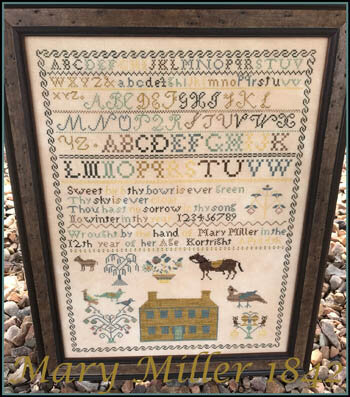
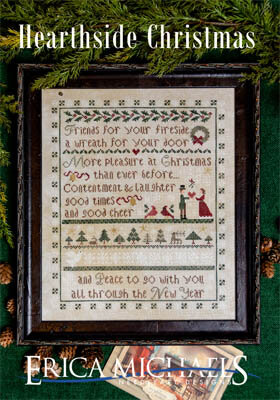
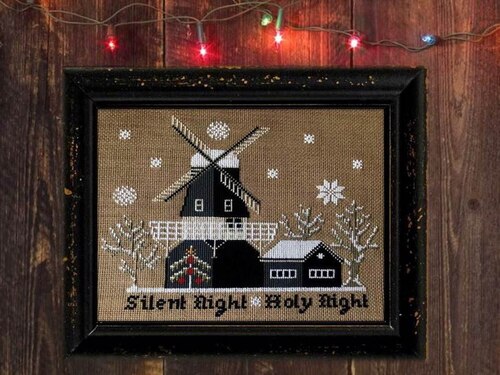
Model stitched over two on 28 Ct. Natural Brown using DMC floss and Weeks Dye Works. Stitch Count: 60W x 75H. Design Size: 4 1/4" x 5 1/4" Model stitched two over one on 14 Ct. White Aida using DMC floss. Stitch Count: 162W x 96H. Design Size: 12" x 7" Model stitched on your choice of fabric using DMC floss. Stitch Count: 129x105 & 94x33 Model stitched two over one on 14 Ct. Raspberry Aida using DMC floss. Stitch Count: 189W x 189H. Design Size: 13 1/2" x 13 1/2" Model stitched one over two on 36 Ct. Antique White using DMC floss. Stitch Count: 133W x 84H. Design Size: 7 3/8" x 4 5/8" Model stitched two over two on 32 Ct. Oaken using Needlepoint Inc Silk. Stitch Count: 125W x 145H. Design Size: 7 3/4" x 9" Former thread pack sets now available without thread in a set of twelve. Model stitched on your choice of fabric using Classic Colorworks. Stitch count: 69w x 69h each block. Finished size: 4.92" square if stitched on 28/14 count fabric.
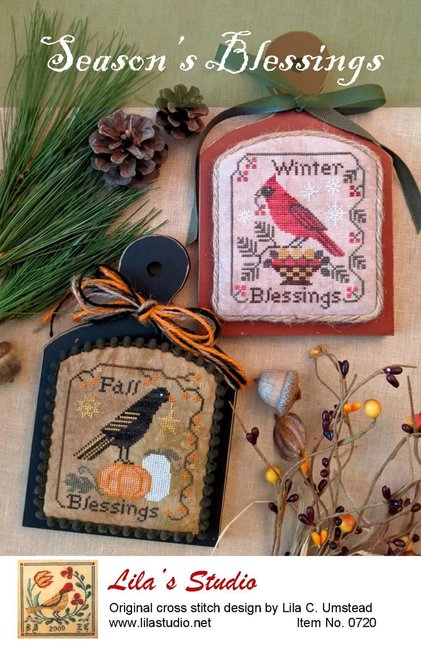
Grid Layout Options: Most... Read more about Months of the Year - Cross Stitch Pattern Model stitched one over two on 40 Ct. Fog Linen using Needlepoint Inc. Silk. Stitch Count: 97W x 132H. Design Size: 4 3/4" x 6 1/2" Model stitched on 35 Ct. Silk Gauze (not Included) using Gentle Art Sampler Threads and Weeks Dye Works. Stitch Count: 92W x 162H. "Grateful, thankful, blessed" Model stitched one over two on 40 Ct. Beach Brew from R&R Reproductions using Weeks Dye Works. Stitch Count: 81W x 117H. Design Size: 4" x 6" Model stitched two over two on 32 Ct. Antique White Linen using DMC floss. Stitch Count: 238W x 238H. Design Size: 15" x 15" Model stitched two over two on 28 Ct. Sage Jobelan using DMC floss, Weeks Dye Works and Gentle Art Sampler Threads. Stitch Count: 144W x 49H. Design Size: 10" x 4" Winter Blessings model stitched over two on 40 Ct. Oaken using DMC floss and Weeks Dye Works. Stitch Count: 63W x 71H. Design Size: 3 1/8" x 3 1/2"
Fall Blessings Model stitched over two on 40 Ct. Cyprium using DMC floss and Weeks Dye Works. Stitch Count: 62W x 72H. Design Size: 3" x 3 1/2" Model stitched one over two on 36 Ct. Vintage Country Mocha Linen using DMC floss. Stitch Count: 83W x 85H. Design Size: 5" x 6" Model stitched over two on 32 Ct. Ale using Classic Colorworks and Weeks Dye Works. Specialty Stitches Used. Stitch Count: 75W x 81H. Design Size: 4.1" x 4.5" Model stitched one over two on 36 Ct. Legacy using Gloriana Threads and Belle Soie Silk. Specialty Stitch Used: Satin Stitch. Stitch Count: 130 x 159. Finished Size: 7" x 8 1/2". An embellishment pack is sold separately that contains all of the floss required to complete the design as shown.
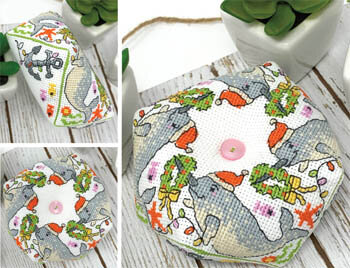
Note: Gloriana Thistle Purple is required but not listed. Model stitched one over two on 40 Ct. Buttercream from Lakeside Linens using Classic Colorworks, Gentle Art Sampler Threads and Weeks Dye Works. Stitch Count: 205W x 270H. Design Size: 10.25" x 13.50" Model stitched on 16/32 Ct. fabric of your choice using DMC floss. Minimum fabric size is 6.5" x 36". Finishing instructions included. Finished Sizes are 2.75 x 24, 3.25 x 3.25, 3.25 x 3.25. Stitch count is 302 x 50 for the banner and 44 x 44 for the Biscornu. 11th release of the 2020 12-month BOTM: Animal Series. Model stitched two over one on 16 Ct. White Aida using DMC floss. Stitch Count: 71W x 71H. Design Size: 4.4" x 4.4". Color Chart. Models stitched two over one on 14 Ct. Perforated Paper, color of your choice using DMC floss. Stitch Count for Each: 40 x 50. Finished Size: 3" x 4" Model stitched over two on 46 Ct. Cocoa by Weeks Dye Works, using Au Ver A Soie - Soie 100.3 threads. Stitch count 215 x 203. Finished size is 9.35 in wide X 8.83 in high.
Au Ver A Soie - Soie d'Alger and DMC alternatives given. Model stitched two over two on 28 Ct. Dapple Linen using DMC floss and Gentle Art Sampler Threads. Stitch Count: 39W x 39H. Finished Size: 3" x 3" Main Design stitched over two on 36 Ct. Wren. Both designs use DMC floss and Weeks Dye Works. Stitch Count: 161x196. Design Size: 9" x 11" Small Design stitched on 40 Ct. Picadill White Legacy Linen from Access Commodities. Stitch Count: 79x70. Design Size: 4" x 4" Models stitched over two on 32 Ct Raw/White Petite Point Belfast and 36 Ct. Raw/White Mini Dots using DMC floss and Weeks Dye Works. Specialty Stitches Used. Stitch Count: 126x72. Model stitched two over two on 32 Ct. Platinum linen using Gentle Art Sampler Threads, Weeks Dye Works, and DMC floss. Stitch Count: 81W x 51H. Design Size: 5" x 3.18" Model stitched two over two on 28 Ct. White Lugana using DMC floss, Glissengloss, and Mill Hill Beads. Stitch Count: 80W x 195H. Design Size: 5 3/4" x 14"
Also required, but not listed above, Gold Top Red Glitter Ornament Button #SB075RD, (2) Small Metallic Red Heart Buttons... Read more about Noel Snowfriends Banner - Cross Stitch Pattern Model stitched two over one on 18 Ct. Old Gold Aida using DMC floss. Stitch Count: 133W x 111H. Design Size: 7" x 6" Model stitched two over two on 30 Ct. Parchment using DMC floss, Weeks Dye Works and Rainbow Gallery Wisper. Stitch Count: 59W x 45H. Finished Size: 3 3/4" x 3" Model stitched over two on 36 Ct. Creme Brulee from R&R Reproductions using Weeks Dye Works and DMC floss. Stitch Count: 87W x 87H. Fabric Size: 11" x 11". Finished size is approx 4.83 in wide X 4.83 in high. 
$14.00 $12.59
|